Exploring the Mechanism Behind Red Light Therapy Dogs
Exactly How Red Light Therapy Can Enhance Your Dog's Total Wellness
Red Light Therapy has actually arised as a promising alternative for enhancing canine health. This non-invasive therapy stimulates mobile activity and advertises healing in canines suffering from numerous conditions. Numerous pet proprietors report obvious advantages, including pain relief and boosted flexibility. Understanding the hidden devices and possible applications is crucial. What certain problems can it deal with, and just how can it be safely incorporated right into a dog's care routines? The responses may stun you.
Recognizing Red Light Therapy: What It Is and Exactly how It Functions
Although red light therapy has acquired appeal in human medicine, its application for canines is significantly identified for its potential benefits. This non-invasive therapy makes use of particular wavelengths of light, commonly in the near-infrared and red range, to promote mobile feature. The underlying principle involves the absorption of light by mitochondria, which boosts ATP manufacturing and improves cellular metabolic rate.
Because of this, red light therapy advertises boosted circulation and help in tissue repair work. The therapy is supplied via tools such as lasers or LED panels, which can be routed at details locations of a dog's body. Treatment sessions are usually short, making it a hassle-free option for animal owners.
Comprehending this technology's systems can aid caregivers make notified choices concerning their pet's healthcare. As study proceeds to develop, the rate of interest in red light therapy as a complementary treatment modality for different canine conditions is likely to grow.
Advantages of Red Light Therapy for Dogs
Red light therapy uses a number of significant advantages for pet dogs, consisting of efficient pain alleviation and a sped up healing process. This therapy can improve mobility and flexibility, making it especially important for maturing or harmed family pets. As more pet dog proprietors seek alternate treatments, understanding these benefits becomes significantly essential.
Pain Alleviation Applications
Numerous pet owners are transforming to red light therapy as a promising remedy for reducing pain in their pets. This non-invasive therapy makes use of specific wavelengths of light to penetrate the skin, stimulating mobile activity and lowering inflammation. Pet dogs struggling with chronic problems such as arthritis, hip dysplasia, or post-surgical discomfort may experience considerable relief via this therapy. Researches indicate that red light therapy can boost blood circulation, assisting to deliver necessary nutrients to impacted locations, additionally contributing to pain reduction. Furthermore, it may aid to decrease the reliance on pharmaceutical painkiller, which typically include unfavorable negative effects. Consequently, lots of veterinarians are progressively recommending red light therapy as a secure and reliable alternative for managing pain in dogs.

Accelerated Healing Process
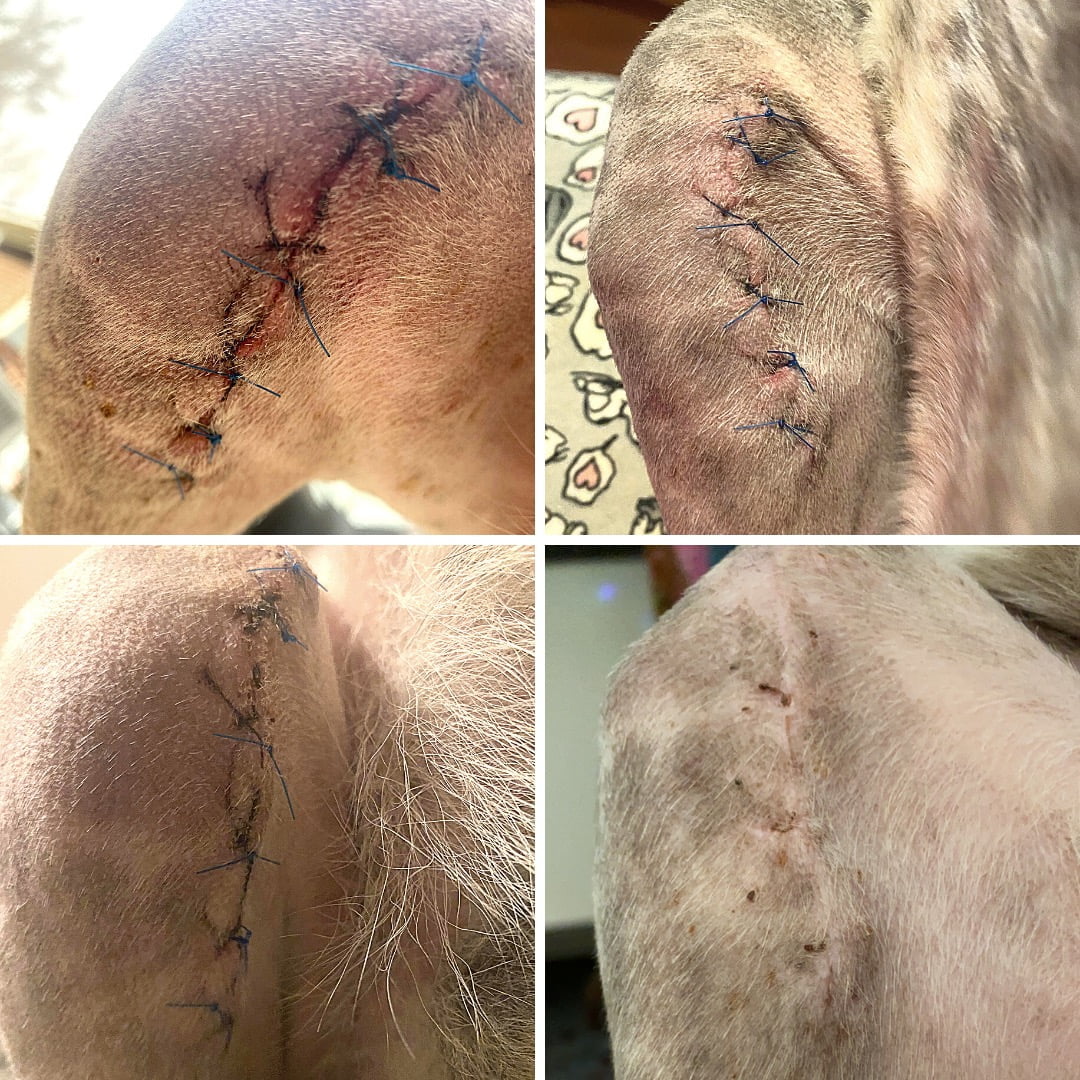
The benefits of red light therapy expand beyond discomfort alleviation, playing an essential function in speeding up the healing process for dogs. This cutting-edge treatment promotes mobile regrowth, promoting the production of ATP, which enhances power accessibility for recovery tissues. Additionally, red light therapy increases blood flow, bring about boosted oxygen and nutrient shipment to harmed locations. This heightened circulation not just help in faster recovery yet additionally minimizes swelling, a typical barrier to recovery. In addition, the therapy motivates collagen production, crucial for tissue repair service and regeneration. Overall, by assisting in these biological procedures, red light therapy significantly reduces recovery times, enabling pets to return to their regular activities quicker and with better vitality.
Enhanced Movement and Versatility
Boosted wheelchair and adaptability are considerable advantages of red light therapy for pet dogs, especially for those struggling with joint discomfort or tightness. This non-invasive treatment utilizes particular wavelengths of light to pass through tissues, promoting enhanced blood circulation and reducing inflammation. As an outcome, pets typically experience remedy for pain connected with joint inflammation, hip dysplasia, or post-surgical recovery. Normal sessions can stimulate cellular fixing and boost muscle function, enabling pets to reclaim their all-natural range of motion. Owners have reported visible enhancements in their family pets' capacity to run, jump, and participate in activities they when enjoyed (Red Light Therapy Dogs). Ultimately, red light therapy not just aids minimize pain however likewise adds to a much more energetic and meeting way of living for dogs, improving their general lifestyle
Problems That Can Be Cured With Red Light Therapy
Although red light therapy has acquired popularity in different fields, its application in vet care, especially for pet dogs, has actually shown promise in treating a variety of conditions. This non-invasive treatment technique is believed to aid in minimizing pain and inflammation connected with arthritis, helping older pets reclaim mobility. In addition, it has actually been used to assist in the healing of injuries, burns, and surgical incisions, advertising faster recuperation times.
Skin problem, such as dermatitis and locations, may also react positively to red light therapy, reducing irritability and motivating healthier hair growth. Furthermore, the therapy can be advantageous for pets dealing with conditions like hip dysplasia, ligament injuries, and muscle stress. By promoting mobile repair work and boosting circulation, red light therapy uses a holistic approach to boosting the total wellness of pets, offering alleviation and advertising a better lifestyle.
The Science Behind Red Light Therapy
Red light therapy operates the concept of photobiomodulation, which involves the application of particular wavelengths of light to boost mobile processes. These wavelengths, commonly ranging from 600 to 1000 nanometers, pass through the skin and are absorbed by mitochondria, the energy-producing components of cells. This absorption improves ATP manufacturing, leading to boosted energy accessibility for mobile features.

Researches recommend that red light therapy may likewise regulate immune actions and assistance general mobile health. By using these organic systems, red light therapy uses a non-invasive treatment choice that can contribute considerably to a pet dog's health and healing from different conditions.
Exactly How to Include Red Light Therapy Into Your Dog's Routine
Including red light therapy into a dog's regimen can be a straightforward process, supplied that pet proprietors approach it with care and uniformity. Choosing an ideal device is essential, as options range from portable devices to larger panels (Red Light Therapy Dogs). Owners must start by introducing the therapy progressively, allowing their pet dogs to acclimate to the light exposure. Sessions can be arranged for around 10 to 20 mins, ideally 2 to 3 times a week, depending upon the pet dog's demands and the advice of a veterinarian
Setting a comfy environment is necessary; making use of a quiet space where the pet feels kicked back can improve the experience. During the sessions, owners can engage their family pets with comforting voices or mild stroking to develop a calming atmosphere. Keeping track of the pet dog's feedback is crucial to guarantee the therapy is helpful and delightful, inevitably assisting to boost their total well-being.
Safety Considerations and Precautions for Red Light Therapy
When considering red light therapy for dogs, safety should always be a top priority to guarantee a favorable experience. Family pet owners should seek advice from a veterinarian before beginning any kind of therapy, particularly for pet dogs with pre-existing conditions or those taking medications. It is necessary to select gadgets particularly made for animals, as human gadgets might not be suitable.
Appropriate eye security is crucial; both the handler and the dog ought to put on goggles to shield their eyes from potential damage. Furthermore, sessions need to be monitored closely to stay clear of overexposure. It is recommended to begin with much shorter sessions and slowly enhance duration based upon the canine's response.
Proprietors should likewise observe their pets for any kind of signs of pain or negative responses during and after therapy. By complying with these safety and security considerations, red light therapy can be a secure and helpful option for improving a dog's wellness.
Regularly Asked Questions
Just how Frequently Should I Utilize Red Light Therapy on My Dog?

Can Red Light Therapy Replace Conventional Veterinary Treatments?
Red light therapy should not change typical vet therapies. While it may match treatments by advertising recovery and lowering discomfort, getting in touch Read Full Report with a vet stays necessary for extensive care and attending to underlying health problems in canines.
Are There Any Negative Effects of Red Light Therapy for Dogs?
Red light therapy for pets typically has minimal negative effects, such as short-lived skin redness or warmth at the therapy website. A lot of dogs endure the therapy well, however keeping track of for any type of unusual responses is encouraged.
What Is the Perfect Period for Each Red Light Therapy Session?
The ideal period for each red light therapy session typically varies from 10 to 20 minutes, relying on the canine's particular demands and problem. Assessment with a veterinarian is suggested to tailor the therapy appropriately.
Is Red Light Therapy Appropriate for All Canine Breeds?
Red light therapy is usually appropriate for many pet dog breeds. Individual wellness conditions and sensitivities may influence its applicability. Consulting a veterinarian guarantees the therapy is useful and secure for each certain dog.
Lots of pet owners are turning to red light therapy as a promising remedy for minimizing discomfort in their pets. Improved flexibility and flexibility are considerable advantages of red light therapy for pets, particularly for those enduring from joint discomfort or stiffness. Red light therapy operates on the principle of photobiomodulation, which includes the application of details wavelengths of light to boost cellular procedures. Study indicates that red light therapy Discover More can promote recovery, minimize swelling, and alleviate pain in canines. Red light therapy for pet dogs normally has marginal side effects, such as momentary skin inflammation or heat at the therapy website.